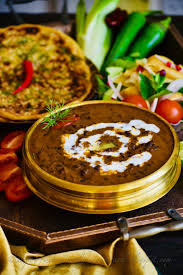
Looking at a bukhara restaurant menu for the first time might seem a bit tricky if you’re new to Indian food. You might see names you don’t recognize or dishes that sound different from what you’re used to. Don’t worry, it’s simpler than it looks!
This guide will break down the menu for you, step by step. We’ll make sure you know exactly what to expect so you can pick your perfect meal. Get ready to discover some delicious flavors without any confusion.
Key Takeaways
- You will learn how to understand different sections of the Bukhara restaurant menu.
- Discover popular dishes and their common ingredients.
- Understand how to ask for modifications and special requests.
- Gain confidence in ordering from an Indian restaurant menu.
- Learn about regional specialties that might be featured.
Exploring the Bukhara Restaurant Menu
When you open a bukhara restaurant menu, you’ll notice it’s usually organized into clear sections. This helps you find what you’re looking for quickly. Think of it like chapters in a book, each telling a part of the food story.
These sections typically include appetizers, main courses, rice dishes, breads, and desserts. Each part offers a different experience of the meal. Getting familiar with these categories is the first step to a great dining experience.
Starters and Appetizers
The starter section is where your culinary adventure often begins. These are small dishes meant to whet your appetite before the main meal. Common starters include items like Samosas, which are fried pastries filled with spiced potatoes and peas.
Another popular choice is Paneer Tikka, cubes of cheese marinated in spices and grilled. You might also find Kebabs, which are grilled or roasted meat or vegetable skewers. These items are great for sharing and offer a taste of the restaurant’s flavors.
- Samosas are crisp, triangular pastries, usually filled with spiced potatoes and peas. They are often served with chutneys, which are flavorful dipping sauces.
- Paneer Tikka features cubes of soft Indian cheese (paneer) that are marinated in yogurt and spices, then grilled to perfection. This dish is a vegetarian favorite.
- Kebabs come in many varieties, from chicken and lamb to vegetable options. They are typically cooked in a tandoor oven, giving them a smoky flavor.
Main Courses A World of Flavors
The main course section is the heart of the bukhara restaurant menu. Here you’ll find the signature dishes. Indian cuisine is known for its rich curries and flavorful meat and vegetable preparations.
You’ll see options like Butter Chicken, a creamy tomato-based curry, and Lamb Rogan Josh, a slow-cooked lamb dish with fragrant spices. For vegetarians, dishes like Dal Makhani (creamy black lentils) and Palak Paneer (spinach with cheese) are very popular. Many main courses are served with rice or bread, so check the descriptions.
- Butter Chicken is a classic, loved for its smooth, rich sauce made with tomatoes, butter, and cream, often with tender pieces of chicken.
- Lamb Rogan Josh is a fragrant curry from the Kashmir region. It features tender lamb cooked with a blend of aromatic spices, giving it a deep red color.
- Dal Makhani is a comforting dish of black lentils and kidney beans slow-cooked with spices, butter, and cream. It’s a staple in many Indian households.
- Palak Paneer combines cubes of paneer with a vibrant spinach gravy, seasoned with garlic, ginger, and mild spices. It’s a healthy and delicious vegetarian option.
Understanding Curry Bases and Spice Levels
Indian curries are incredibly diverse, varying in their base ingredients and spice levels. Common bases include tomato-based sauces, creamy yogurt or nut-based gravies, and rich onion-based preparations. The spice level is usually indicated by words like mild, medium, hot, or sometimes with chili pepper symbols.
Don’t hesitate to ask your server for recommendations if you’re unsure about the heat level. They can guide you to dishes that match your preference.
For example, a Tikka Masala sauce often starts with a tomato and cream base, giving it a rich and slightly sweet flavor. A Vindaloo, on the other hand, is known for its spicy, tangy profile, often made with vinegar and a generous amount of chili. Understanding these differences helps you choose a dish that suits your palate.
A dish like Korma tends to be milder and creamier, using yogurt and ground nuts for its texture and flavor.
Rice and Breads The Perfect Companions
No Indian meal is complete without rice or bread to soak up all the delicious sauces. The bukhara restaurant menu will feature several types of rice and breads. Basmati rice is a long-grain, fragrant rice that’s a perfect accompaniment to any curry.
You’ll often find it plain or prepared in special ways like Pulao or Biryani. Breads are equally important, with Naan being a very popular choice. Naan is a soft, leavened flatbread baked in a tandoor oven.
Other options include Roti, a whole wheat flatbread, and Paratha, a layered, pan-fried bread.
- Basmati Rice is a long, slender grain known for its aromatic fragrance and fluffy texture when cooked. It’s the go-to rice for many Indian dishes.
- Naan is a leavened, oven-baked flatbread. It’s often brushed with butter or garlic before serving and is perfect for scooping up curry.
- Roti is an unleavened whole wheat flatbread, cooked on a griddle. It’s a healthier option and a staple in many North Indian homes.
- Paratha is a layered flatbread, often cooked with ghee or oil, giving it a richer taste and a slightly crispy texture. It can be plain or stuffed with fillings.
Biryani and Pulao Explained
Biryani and Pulao are both flavorful rice dishes, but they differ in preparation. Biryani is typically made by layering partially cooked rice with marinated meat, vegetables, or seafood, and then cooking it slowly in a sealed pot. This method allows the flavors to meld beautifully.
Pulao, or Pilaf, is usually made by cooking rice in a seasoned broth, often with whole spices, vegetables, or sometimes meat. While both are delicious, Biryani is generally considered a more complex and aromatic dish.
For example, a Chicken Biryani from Bukhara might involve slow-cooking marinated chicken with fragrant Basmati rice, saffron, and spices like cardamom and cloves. The sealed pot cooking is key to its distinct aroma. A Vegetable Pulao, on the other hand, might be cooked by simmering rice in a vegetable broth with peas, carrots, and a bay leaf, offering a lighter, spiced rice dish.
Vegetarian and Vegan Options
Indian cuisine is celebrated for its extensive and delicious vegetarian options, and the bukhara restaurant menu usually reflects this. Many dishes are naturally vegetarian, and some can easily be made vegan by omitting dairy products like ghee or paneer. Look for dishes made with lentils, chickpeas, potatoes, cauliflower, and spinach.
Restaurants are often happy to accommodate dietary needs, so don’t hesitate to inform your server about any preferences.
- Lentil dishes like Dal Tadka (tempered yellow lentils) and Chana Masala (chickpea curry) are hearty and flavorful vegetarian choices.
- Vegetable curries featuring mixed vegetables, paneer, or tofu are common. Dishes like Aloo Gobi (potatoes and cauliflower) are simple yet satisfying.
- Many breads, like Roti, are naturally vegan. For other dishes, you can often request them without ghee or cream to make them vegan-friendly.
Dietary Modifications and Special Requests
It’s very common for people to have dietary needs or preferences. When ordering from a bukhara restaurant menu, you can often request modifications. For instance, you can ask for a dish to be made less spicy, or you can inquire about using oil instead of butter or ghee.
If you have allergies, like nuts or gluten, it’s crucial to inform your server. They can help you select dishes that are safe for you or suggest ways to adapt them. Clear communication is key to a great dining experience.
For instance, if you have a nut allergy and want to order a Korma, which typically contains ground nuts, you can ask if it can be prepared without them or if an alternative base can be used. Similarly, if you are lactose intolerant, you can ask for your Butter Chicken to be made with less cream or a dairy-free alternative if available. Restaurants appreciate it when customers communicate their needs clearly.
Desserts and Drinks
To finish your meal, explore the dessert section of the bukhara restaurant menu. Indian desserts are often sweet and rich, sometimes featuring dairy, nuts, and spices. Gulab Jamun, soft fried milk balls soaked in a rose-flavored syrup, is a classic.
Kulfi, a dense Indian ice cream, is another delightful option. For drinks, Mango Lassi, a sweet yogurt-based drink blended with mango pulp, is extremely popular and refreshing. You might also find traditional Indian teas like Masala Chai.
- Gulab Jamun are soft, deep-fried milk-solid dumplings that are then soaked in a warm, fragrant sugar syrup. They are a delightful, sweet treat.
- Kulfi is a frozen dessert, similar to ice cream but denser and creamier. Popular flavors include mango, pistachio, and cardamom.
- Mango Lassi is a creamy, refreshing drink made from yogurt, milk, and sweet mango pulp. It’s a perfect balance to a spicy meal.
Common Myths Debunked
Myth 1: Indian food is always extremely spicy.
This is a common misconception. While many Indian dishes use spices, they don’t all mean “hot” spicy. Indian cuisine features a wide range of flavors, from mild and creamy to very hot.
Restaurants typically offer adjustable spice levels, and many popular dishes are quite mild. You can always ask your server to recommend dishes that are not spicy.
Myth 2: All Indian food contains a lot of meat.
Actually, Indian cuisine has a rich tradition of vegetarian cooking. Many traditional dishes are plant-based and incredibly flavorful. The bukhara restaurant menu usually has extensive vegetarian sections, with many flavorful options made from lentils, vegetables, and paneer.
Myth 3: You need to know many Indian words to order.
Not at all! Most restaurants, especially those with well-organized menus, use English names for dishes or provide descriptions. The names might sound exotic, but the menu usually explains what they are.
If you’re unsure, the staff is there to help you understand every item.
Frequently Asked Questions
Question: What is the most popular dish at Indian restaurants like Bukhara?
Answer: Popular dishes often include Butter Chicken, Chicken Tikka Masala, Lamb Rogan Josh, Dal Makhani, and various types of Naan bread. However, popularity can vary by region and individual taste.
Question: How do I know if a dish is vegetarian?
Answer: Vegetarian dishes are usually clearly marked on the menu, often with a green dot or the word “Vegetarian”. If you are unsure, always ask your server to confirm the ingredients.
Question: Can I get my food less spicy?
Answer: Yes, most Indian restaurants are happy to adjust the spice level of your meal. You can request it mild, medium, or hot. It’s best to specify your preference when ordering.
Question: What is paneer?
Answer: Paneer is a type of fresh, non-melting Indian cheese. It’s commonly used in vegetarian dishes and is known for its mild flavor and firm texture, making it perfect for curries and grilled appetizers.
Question: Is it customary to tip at Indian restaurants?
Answer: Tipping customs are similar to those in other restaurants. A tip of 15-20% of the bill is generally considered appropriate for good service.
Final Thoughts
Understanding a bukhara restaurant menu is now much easier. You know how to spot starters, main courses, and sides. You can also identify vegetarian options and ask for your meal just right.
Enjoy exploring the diverse and delicious world of Indian food with confidence. Your next favorite dish is waiting for you to discover.