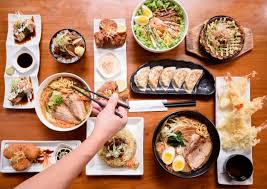
Figuring out a restaurant menu japanese can seem a bit tricky when you’re new to it. There are so many interesting names and ingredients! But don’t worry, it’s easier than you think.
We’ll break it all down in a super simple way, step by step. Get ready to learn what those special dishes mean so you can order your next meal with confidence!
Key Takeaways
- Understand common Japanese dishes found on restaurant menus.
- Learn the meanings of key Japanese food terms and ingredients.
- Discover tips for ordering and enjoying a Japanese meal.
- Identify popular choices for different dining preferences.
- Feel more comfortable exploring diverse Japanese cuisine.
Understanding Japanese Restaurant Menus
Japanese food is loved all around the world. When you see a restaurant menu japanese, it might look like a lot of foreign words at first. But most of the terms are actually quite descriptive once you know them.
This section will help you learn what the most common dishes are. We’ll cover things like sushi, ramen, tempura, and more. Knowing these basics will make your dining experience much more enjoyable.
What Is Sushi
Sushi is perhaps the most famous Japanese dish. It’s not just raw fish. Sushi is actually seasoned rice.
This rice is a special kind called ‘sushi rice’. It’s mixed with vinegar, sugar, and salt. This gives it a slightly sweet and tangy taste.
There are different types of sushi. Nigiri is a small hand-pressed ball of sushi rice topped with a slice of fish or seafood. Sashimi, while often served with sushi, is actually just thinly sliced raw fish or seafood without rice.
Maki refers to sushi rolls. These are made by rolling rice and fillings inside seaweed, called ‘nori’. The roll is then sliced into pieces.
Think of sushi as an art form. The fresh ingredients and careful preparation are key. Many people enjoy the clean flavors and textures.
It’s a healthy choice too, often packed with protein and good fats.
The Wonderful World of Ramen
Ramen is a noodle soup dish. It’s a favorite for many because it’s warm, filling, and flavorful. The heart of ramen is its broth.
Ramen broths can be made from pork bones (tonkotsu), chicken (tori paitan), or soy sauce (shoyu). They can also be miso-based. Each broth has a very distinct taste and texture.
The noodles in ramen are typically made from wheat. They come in various shapes and thicknesses. Some are straight, others are wavy.
The noodles are usually served in the hot broth. Toppings are also very important in ramen. Common toppings include sliced pork (chashu), a soft-boiled egg (ajitama), seaweed (nori), green onions, and bamboo shoots (menma).
Ramen can be very rich and savory. It’s a complete meal in a bowl. Each region in Japan has its own style of ramen.
This means there are many variations to try. Exploring different ramen shops is a fun way to discover new flavors.
Tempura A Light Delight
Tempura is made by deep-frying seafood and vegetables. The key is the batter. The batter is very light and airy.
It’s usually made from flour, egg, and cold water. This makes the coating crispy and delicate, not heavy or greasy.
Common ingredients for tempura include shrimp, white fish, sweet potatoes, eggplant, and mushrooms. These are coated in the light batter and then quickly fried. The result is a delightful crunch with the original flavor of the ingredient shining through.
Tempura is often served with a dipping sauce called ‘tentsuyu’. This sauce is made from dashi (a savory broth), soy sauce, and mirin (a sweet rice wine). It adds another layer of flavor.
Tempura can be eaten on its own or served over rice (tendon).
Exploring Other Japanese Favorites
Beyond sushi, ramen, and tempura, many other delicious dishes appear on a restaurant menu japanese. Udon are thick wheat noodles, often served in a hot broth or as a cold dish. Soba are buckwheat noodles, which can also be served hot or cold.
They have a slightly nutty flavor.
Donburi is a rice bowl dish. A bowl of rice is topped with various ingredients like chicken, beef, or tempura. For example, ‘Gyudon’ is a bowl of rice topped with thinly sliced beef and onions simmered in a savory sauce.
‘Katsudon’ is rice topped with a breaded pork cutlet cooked with egg and onions.
Yakitori refers to grilled skewers. These are usually made with chicken, but can also include vegetables. The skewers are seasoned with salt or a sweet soy sauce glaze (tare).
They are a popular appetizer or casual meal.
Navigating the Japanese Menu Terms
Understanding the words on a restaurant menu japanese can make ordering much smoother. Many terms describe ingredients, cooking methods, or types of dishes. Knowing a few key terms will help you pick exactly what you want.
Common Ingredients Explained
There are several ingredients you will see often. Nori is dried seaweed, usually used to wrap sushi rolls. Tofu is made from soybeans and is a versatile protein source.
It can be soft or firm. Wasabi is a spicy green paste made from a Japanese plant. It has a sharp, hot flavor that clears your sinuses.
Gari is pickled ginger, often served with sushi to cleanse the palate between different pieces.
Dashi is a fundamental Japanese soup stock. It’s made from kombu (dried kelp) and katsuobushi (dried bonito flakes). Dashi is used as a base for many soups and sauces.
It provides a deep, savory flavor.
Miso is a traditional Japanese paste made from fermented soybeans. It’s used to make miso soup and as a flavoring for sauces and marinades. It has a salty and umami-rich taste.
Cooking Methods You’ll See
Japanese cooking uses a variety of methods. Yaki means grilled or pan-fried. You’ll see this in dishes like yakitori.
Age means fried. Tempura is a good example of this. Nimono refers to simmered dishes.
Ingredients are gently cooked in a flavored broth.
Mushi means steamed. Many delicate dishes are prepared this way to preserve their natural flavors and textures. Tsukemono are Japanese pickles.
They are served as a side dish to complement the meal.
Aburi means lightly seared. This is often used for fish, where the surface is quickly seared to add a smoky flavor and different texture while keeping the inside raw or lightly cooked. This technique is popular in sushi and sashimi preparation.
Understanding Different Sections
Most menus are organized to help you choose. You’ll often find sections for Appetizers (often called ‘otsumami’ or ‘kozara’), Main Dishes, Sushi/Sashimi Platters, Noodle Dishes, and Desserts. Sometimes there are special sections for set meals, called ‘teishoku’, which include a main dish, rice, soup, and side dishes.
Pay attention to the descriptions. They usually tell you what the dish is made of and how it’s prepared. If you’re unsure, don’t hesitate to ask your server for recommendations or clarifications.
They are there to help you have a great meal.
Tips for Ordering and Enjoying
Ordering from a restaurant menu japanese can be an exciting experience. Here are some tips to make sure you have a delicious meal and enjoy the authentic flavors.
Asking for Recommendations
If you’re feeling adventurous, ask the staff for their favorites. You can say something like, “What do you recommend?” or “What is popular here?” They can guide you to dishes that fit your taste.
You can also describe what you like. For example, if you prefer spicy food, you could ask for spicy recommendations. If you don’t eat raw fish, you can ask for cooked options.
Servers are usually happy to help you find something you’ll love.
Trying a Variety
Japanese meals are often about sharing and trying different things. If you’re dining with others, consider ordering a few different dishes to share. This way, everyone gets to taste a variety of flavors and textures.
Sharing helps you explore more of the menu. It’s a great way to discover new favorite dishes. Some restaurants offer small plates or tapas-style servings that are perfect for trying multiple items.
Customizing Your Order
Some dishes can be customized. For example, with ramen, you might be able to choose the thickness of your noodles or how salty you like your broth. Don’t be afraid to ask if certain modifications are possible.
For sushi, you can sometimes specify if you want certain toppings or if you have any allergies. Clear communication ensures you get exactly what you want and can enjoy your meal without worry.
Common Myths Debunked
Myth 1 Sushi Is Just Raw Fish
This is a very common misconception. As explained earlier, sushi refers to the seasoned rice. While raw fish (sashimi) is often served alongside sushi or as a topping, many types of sushi do not contain raw fish at all.
For example, there’s California rolls (which often have imitation crab, avocado, and cucumber), egg sushi (tamagoyaki), and vegetable rolls. So, if you’re not a fan of raw fish, you can still enjoy many kinds of sushi.
Myth 2 Japanese Food Is Always Expensive
While some high-end sushi restaurants can be pricey, Japanese cuisine offers a wide range of options for every budget. Dishes like ramen, udon, soba, and donburi are often very affordable and filling meals. Many casual Japanese eateries serve delicious and inexpensive food.
Even bento boxes, which are pre-packaged meals, are usually quite reasonably priced.
Myth 3 Soy Sauce Is The Only Condiment
While soy sauce is a staple for many Japanese dishes, it’s not the only condiment used. Wasabi adds a spicy kick, and pickled ginger (gari) helps cleanse the palate. Other condiments include ponzu sauce (a citrus-based soy sauce), teriyaki sauce (a sweet glaze), and various chili pastes or oils for those who like extra heat.
Different dishes call for different accompaniments to enhance their flavor.
Myth 4 All Japanese Noodle Soups Are Ramen
While ramen is very popular, it’s not the only Japanese noodle soup. Udon noodles are thick and chewy, often served in a milder, dashi-based broth. Soba noodles are made from buckwheat and have a more distinct, nutty flavor, also served in various hot or cold preparations.
Each type of noodle and broth offers a unique taste and texture experience.
Frequently Asked Questions
Question: What is the most popular dish in Japanese restaurants
Answer: Ramen and sushi are generally considered the most popular dishes worldwide. Ramen is a hearty noodle soup, while sushi is known for its fresh ingredients and unique rice preparation.
Question: Is it polite to slurp noodles in Japan
Answer: Yes, slurping noodles like ramen or soba is considered polite in Japan. It shows appreciation for the meal and helps cool down the hot noodles and broth, enhancing the flavor.
Question: What is a bento box
Answer: A bento box is a single-portion takeout or home-packed meal common in Japanese cuisine. It typically includes rice, fish or meat, and pickled or cooked vegetables.
Question: What is the difference between sushi and sashimi
Answer: Sushi is prepared with vinegared rice, while sashimi is thinly sliced raw fish or seafood served without rice. They are often served together but are distinct dishes.
Question: Are there vegetarian options on a Japanese menu
Answer: Yes, many Japanese restaurants offer vegetarian options. These often include vegetable sushi rolls, agedashi tofu (deep-fried tofu in broth), vegetable tempura, and noodle dishes like udon or soba with vegetable broth and toppings.
Summary
Exploring a restaurant menu japanese is now much clearer. You know the common dishes, key ingredients, and how to order confidently. From savory ramen to delicate sushi, you have the tools to enjoy a wide range of Japanese flavors.
Try something new on your next visit and savor the tastes!