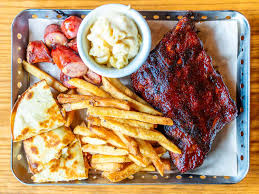
Looking for a bungalow restaurant menu can sometimes feel a bit tricky. You might be wondering where to start or what makes a menu special for this type of place. Don’t worry, it’s simpler than it seems!
We’ll walk through it step-by-step. Get ready to see how easy it is to find what you’re looking for. This will help you pick the perfect dishes.
Key Takeaways
- You will learn what defines a bungalow restaurant menu.
- Discover common themes and popular dishes found on these menus.
- Understand how to select items that fit the relaxed bungalow vibe.
- Find tips for reading and ordering from a bungalow restaurant menu.
- Learn about potential challenges and how to overcome them.
Exploring The Bungalow Restaurant Menu
A bungalow restaurant menu offers a unique dining experience, often blending casual comfort with delicious food. Think of a relaxed setting, perhaps a charming cottage or a beachside spot. The menu typically reflects this atmosphere, featuring dishes that are approachable, fresh, and satisfying.
It’s not about overly fancy or complicated items. Instead, it focuses on quality ingredients prepared with care. These menus are popular because they offer a break from the everyday hustle, allowing diners to enjoy good food in a tranquil environment.
For newcomers, understanding what to expect from a bungalow restaurant menu is the first step. This section will guide you through the common characteristics and how they shape the dining choices available. We will explore the types of food you might find, the influences behind them, and how the menu’s design contributes to the overall experience.
What Makes A Bungalow Restaurant Menu Stand Out
The charm of a bungalow restaurant often lies in its unique character. This character is directly reflected in its menu. Unlike a formal dining establishment, a bungalow eatery aims for a more laid-back feel.
This influences the types of dishes offered, the presentation, and even the language used to describe them.
-
Focus on Freshness and Local Ingredients
Many bungalow restaurants pride themselves on using fresh, seasonal, and locally sourced ingredients. This means the menu might change slightly depending on what’s available in the region. For example, a coastal bungalow might feature fresh seafood, while one nestled in the countryside could highlight farm-fresh vegetables and meats. This commitment to freshness ensures that the food tastes vibrant and authentic. It also supports local farmers and producers, adding a feel-good element to your meal. When you see “market fresh” or “locally sourced” on a bungalow restaurant menu, it’s a good sign of a commitment to quality. -
Comfort Food with A Twist
Expect to find familiar dishes presented in an appealing way. These are often comfort foods, but with a creative touch. Think gourmet burgers, elevated salads, or creative takes on classic pasta dishes. The aim is to provide satisfying meals that feel both familiar and exciting. For instance, a simple grilled chicken might be served with a unique herb marinade and a side of roasted root vegetables. This approach makes the menu accessible to a wide range of tastes while still offering something special. It’s about taking everyday favorites and making them memorable. -
Relaxed Presentation
The way food is presented on a bungalow restaurant menu also contributes to the overall vibe. You won’t usually find overly fussy plating. Instead, the focus is on appealing, hearty servings that look delicious and inviting. This might involve rustic ceramic plates, wooden serving boards, or a focus on colorful garnishes that highlight the natural beauty of the ingredients. The presentation should feel approachable and unpretentious, fitting the relaxed atmosphere of a bungalow setting. It’s about enjoying good food without feeling intimidated by the presentation.
Common Culinary Influences
Bungalow restaurants draw inspiration from a variety of culinary traditions. These influences shape the dishes and create a distinct flavor profile. Understanding these sources can help you better appreciate the menu and make informed choices.
-
Regional Cuisine
Many bungalow restaurants embrace the flavors of their local region. If you are near the coast, expect a strong emphasis on seafood. Dishes like grilled fish, shrimp scampi, or clam chowder might be prominent. In agricultural areas, menus often feature hearty meat dishes, roasted vegetables, and baked goods made with local produce. This focus on regional specialties not only showcases the best of what the area offers but also provides a sense of place for diners. It’s a way to taste the essence of the location you’re visiting. -
International Flavors With A Casual Touch
While regional influences are common, many bungalow restaurants also incorporate popular international flavors. However, these are adapted to fit the casual bungalow style. You might find a Thai-inspired curry that is less spicy and more approachable, or a Mediterranean mezze platter perfect for sharing. The goal is to offer diverse tastes that are still easy to enjoy in a relaxed setting. These global touches add variety and excitement to the bungalow restaurant menu without making it feel overly complex or exclusive. -
Farm-to-Table Philosophy
A growing trend in bungalow dining is the farm-to-table approach. This means ingredients are sourced directly from local farms, often on a daily basis. The menu might highlight the farm where certain produce comes from or feature seasonal specials based on what’s freshly harvested. This philosophy ensures peak freshness and supports sustainable agriculture. When you see a bungalow restaurant menu that emphasizes farm-to-table, you can expect dishes that are bursting with natural flavors and prepared with a deep respect for the ingredients.
Navigating The Bungalow Restaurant Menu Options
Once you understand the general characteristics of a bungalow restaurant menu, the next step is to learn how to select your meal. This involves looking for specific indicators on the menu and understanding how to interpret dish descriptions. It’s about making choices that will best suit your preferences and enhance your dining experience in this relaxed setting.
Decoding Dish Descriptions
The language used on a menu is a crucial part of the dining experience. For a bungalow restaurant menu, descriptions often aim to be enticing yet straightforward. They should give you a clear idea of what to expect without being overly technical.
-
Identifying Key Ingredients
Pay close attention to the main ingredients listed for each dish. These are usually at the beginning of the description. For example, “Pan-Seared Salmon with Lemon-Dill Sauce” clearly indicates the primary protein and the flavor profile of the sauce. If you have dietary preferences or allergies, identifying these core components is essential. Look for terms like “grilled,” “roasted,” “baked,” or “sautéed” to understand the cooking method. These terms often suggest a healthier preparation and a focus on natural flavors. -
Understanding Flavor Profiles and Textures
Menu descriptions often hint at the intended flavor and texture. Words like “creamy,” “crispy,” “zesty,” “savory,” or “sweet” help you imagine the taste and feel of the dish. A “creamy tomato soup” suggests a smooth, rich experience, while “crispy fried chicken” promises a satisfying crunch. Consider what kind of meal you are in the mood for. Are you craving something light and zesty, or rich and comforting? The descriptions should guide you towards dishes that match your current craving. -
Recognizing Accompaniments and Sides
Most main dishes on a bungalow restaurant menu will come with sides or accompaniments. These are usually listed towards the end of the description. They can significantly contribute to the overall flavor and satisfaction of your meal. For instance, a steak might be served with roasted potatoes and seasonal vegetables, offering a balanced and hearty plate. Sometimes, sides are chosen separately. If the menu is unclear, don’t hesitate to ask your server about what comes with the dish or what side options are available.
Tips for Making Your Selection
Choosing the perfect meal from a bungalow restaurant menu can be a delightful process. Here are some practical tips to help you find dishes that you’ll truly enjoy.
-
Start with Appetizers That Share Well
Bungalow dining often encourages a relaxed, social atmosphere. Appetizers are a great way to begin and can often be shared amongst friends or family. Look for options like dips, platters, or small bites that are easy to sample. For example, a selection of artisanal cheeses with crackers and fruit, or warm spinach and artichoke dip served with crusty bread. Sharing appetizers allows everyone to try a variety of flavors and build anticipation for the main course. It’s a perfect way to kick off a leisurely meal. -
Consider Daily Specials
Many bungalow restaurants feature daily or weekly specials. These often highlight the freshest ingredients of the day or showcase the chef’s creativity. Specials are a great way to discover something new and unique. They can also be a good indicator of what the kitchen is most excited about. If you’re feeling adventurous or want to try something beyond the regular offerings, ask your server about the specials. They often represent the best of what the restaurant has to offer at that moment. -
Don’t Shy Away From Vegetarian and Vegan Options
Even if you are not vegetarian or vegan, these options on a bungalow restaurant menu are often thoughtfully prepared and can be incredibly delicious. Chefs often put a lot of creativity into these dishes, using fresh vegetables, grains, and plant-based proteins. A well-made vegetarian entree can be just as satisfying and flavorful as a meat dish. If the menu lists a “Roasted Vegetable Medley with Quinoa” or a “Lentil Shepherd’s Pie,” these are likely to be hearty and tasty choices, reflecting the restaurant’s commitment to fresh ingredients.
Sample Menu Scenario
Let’s imagine you are looking at a bungalow restaurant menu. Here’s how you might approach it:
- Browsing Appetizers: You see “Crispy Calamari with Garlic Aioli” and “Caprese Skewers with Balsamic Glaze.” You decide on the Caprese skewers because you prefer something lighter and more refreshing to start.
- Exploring Main Courses: The menu lists “Bungalow Burger with Sweet Potato Fries,” “Grilled Swordfish with Mango Salsa,” and “Mushroom Risotto.” You’re in the mood for seafood, so the Grilled Swordfish catches your eye. The description mentions it’s served with a “refreshing mango salsa,” which sounds like a great complement.
- Considering Sides: The Swordfish comes with a side salad. You also see an option for “Garlic Mashed Potatoes” for an extra charge. You decide to stick with the included salad to keep the meal lighter.
- Sweet Endings: For dessert, you notice “Key Lime Pie” and “Chocolate Lava Cake.” Given the tropical feel of the swordfish, the Key Lime Pie seems like a perfect fit.
This scenario shows how you can scan the bungalow restaurant menu, identify your preferences, and make selections that create a cohesive and enjoyable meal.
The Advantages of A Well-Designed Bungalow Restaurant Menu
A thoughtfully created bungalow restaurant menu does more than just list food. It enhances the entire dining experience, making it easier and more enjoyable for customers. It acts as a silent guide, reflecting the restaurant’s brand and inviting guests to explore its culinary offerings.
Enhancing The Dining Experience
The physical or digital presentation of a bungalow restaurant menu plays a significant role in how diners perceive the establishment. A well-designed menu is clear, attractive, and easy to read, contributing to a stress-free ordering process.
-
Clarity and Readability
A good menu uses clear fonts and sufficient spacing between items. This makes it easy for patrons to scan through the options without feeling overwhelmed. Important details, like key ingredients or preparation methods, are presented prominently. For example, the use of bullet points or bold text for dish names helps to break up the information and make it digestible. This attention to detail ensures that guests can quickly find what they are looking for, whether they have dietary restrictions or simply want to know what’s available. -
Aesthetic Appeal and Branding
The design of a bungalow restaurant menu should align with the restaurant’s overall ambiance. If the restaurant has a rustic, beachy feel, the menu might feature natural textures, calming colors, or imagery that evokes that setting. This visual consistency reinforces the brand identity and helps to create a cohesive experience. A menu that looks and feels like the restaurant itself immerses the diner in the intended atmosphere. It’s a visual extension of the dining space. -
Facilitating Upselling and Specials
A well-placed item or a specially designed section can encourage guests to try higher-margin items or daily specials. For instance, a “Chef’s Recommendations” section or strategically placed photos can draw attention to profitable dishes. The bungalow restaurant menu can also be designed to highlight seasonal items or promotions, encouraging guests to try something new or take advantage of limited-time offers. This is done subtly, aiming to guide rather than push the customer.
Boosting Restaurant Efficiency
Beyond customer satisfaction, an effective bungalow restaurant menu can also streamline operations for the staff. This leads to smoother service and a more pleasant experience for everyone involved.
-
Reducing Order Errors
When menu descriptions are clear and concise, the chances of misinterpreting an order decrease significantly. This means fewer mistakes in the kitchen and fewer incorrect dishes being served to customers. Clear descriptions of ingredients and preparation methods help servers relay accurate information to both the kitchen and the diners. This accuracy saves time and prevents the frustration that comes with order mistakes, contributing to a more efficient service flow. -
Streamlining Kitchen Operations
A well-organized menu can help the kitchen team manage their workflow more effectively. If dishes are grouped logically (e.g., appetizers, salads, main courses, desserts), it can aid in preparation and plating. Understanding the components of each dish quickly allows chefs to prepare them efficiently. For example, if several dishes use a similar sauce or base ingredient, the kitchen can prepare larger batches, saving time and resources. -
Improving Staff Training
New staff members can learn about the menu more quickly when it is well-structured and easy to understand. A clear menu serves as a valuable training tool, allowing servers to become knowledgeable about the offerings and answer customer questions confidently. This reduces the burden on experienced staff and ensures consistent service quality across the entire team. A good menu empowers staff to provide excellent customer care.
The Economic Impact of Menu Choices
The bungalow restaurant menu is not just a list of food items; it’s a powerful sales tool with a direct impact on the restaurant’s financial success. Every item, its description, and its placement can influence customer spending.
-
Driving Sales of High-Profit Items
Restaurants often strategically place their most profitable dishes in prominent positions on the menu. This could be at the top of a section or highlighted with a special design. The descriptions for these items are crafted to be particularly appealing, emphasizing premium ingredients or unique preparations. For example, a dish with a higher profit margin might be described as “succulent” or “hand-crafted,” encouraging diners to choose it. Studies have shown that customers are more likely to order items they see first. -
Encouraging Experimentation and Discovery
A bungalow restaurant menu that includes intriguing descriptions or unique specials can encourage diners to step outside their usual choices. When customers are enticed to try something new, they might discover a favorite dish they wouldn’t have otherwise considered. This not only leads to a more satisfying dining experience for the customer but can also introduce them to higher-priced or more profitable menu items. A sense of culinary adventure can be a powerful sales driver. -
Influencing Customer Perception of Value
The way a bungalow restaurant menu is priced and described can shape a customer’s perception of value. If a dish is described as using “organic, locally sourced ingredients” or “slow-cooked for twelve hours,” customers may perceive it as being worth a higher price. Conversely, if prices are presented clearly and the descriptions are honest and straightforward, customers feel they are getting fair value. A balanced approach, highlighting quality and unique aspects without exaggeration, builds trust and encourages repeat business.
Common Bungalow Restaurant Menu Myths Debunked
There are often assumptions made about bungalow restaurant menus that don’t quite hold true. Let’s clear up some common misconceptions so you know what to expect and how to best enjoy your dining experience.
Myth 1: Bungalow Menus Are Always Expensive
Some people believe that any restaurant with a “bungalow” in its name must be pricey. This is often not the case. While some upscale establishments might adopt this theme, many bungalow restaurants focus on offering good value.
They prioritize fresh ingredients and well-prepared meals without the high overhead of very formal dining. The relaxed atmosphere usually translates into more accessible pricing. You can often find delicious and satisfying meals that are reasonably priced, making the bungalow dining experience enjoyable for various budgets.
Myth 2: The Food Is Always Simple and Basic
It’s easy to assume that a “bungalow” setting means only simple, uninspired food. However, many bungalow restaurants take pride in their culinary creativity. They might offer classic comfort foods with a sophisticated twist or incorporate unique flavor combinations.
The focus is on fresh, quality ingredients, and chefs often use these to create surprisingly intricate and delicious dishes. The “simplicity” often lies in the presentation and atmosphere, not necessarily in the complexity or innovation of the food itself.
Myth 3: You Must Be On Vacation To Eat At A Bungalow Restaurant
While bungalow restaurants often evoke vacation vibes, they are by no means exclusive to tourists. Locals often seek out these types of establishments for their relaxed ambiance and quality food, especially for casual weeknight dinners or weekend brunches. They offer a great escape from the everyday without needing a passport.
Many people appreciate the opportunity to dine in a charming, less formal setting close to home.
Myth 4: Vegetarian Options Are Limited
This used to be more true for many types of restaurants, but today, most establishments, including bungalow restaurants, are very conscious of dietary needs. You’ll often find creative and flavorful vegetarian and even vegan dishes on their menus. Chefs are skilled at using fresh produce, grains, and plant-based proteins to create satisfying meals.
A well-crafted vegetarian entree at a bungalow spot can be just as appealing as any other option on the menu.
Frequently Asked Questions
Question: What is the typical cuisine found at a bungalow restaurant?
Answer: Bungalow restaurants often feature comfort food, regional specialties, and dishes influenced by international flavors adapted for a casual setting. The emphasis is typically on fresh ingredients and approachable preparations.
Question: Are bungalow restaurant menus easy to understand for beginners?
Answer: Generally, yes. Bungalow restaurant menus aim for clarity and often use straightforward descriptions that are easy for most people to understand. They focus on approachable dishes.
Question: Do bungalow restaurants usually offer outdoor seating?
Answer: Many bungalow restaurants do offer outdoor seating, as it complements their relaxed and often nature-inspired ambiance. This can include patios, gardens, or even beachfront areas.
Question: How can I find the best dish on a bungalow restaurant menu?
Answer: Look for seasonal specials, chef’s recommendations, or dishes that highlight fresh, local ingredients. Don’t hesitate to ask your server for their personal favorites or recommendations based on your preferences.
Question: Are bungalow restaurant menus more focused on lunch or dinner?
Answer: Bungalow restaurants often serve both lunch and dinner, with some offering brunch as well. The menu might have slight variations between meal times, but the overall style usually remains consistent.
Conclusion
Exploring a bungalow restaurant menu is about finding delicious food in a relaxed atmosphere. You now know what makes these menus special and how to choose your perfect meal. Enjoy discovering new flavors and enjoying the comforting vibe.