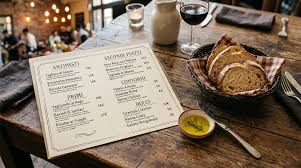
Ever felt a little lost looking at an Italian restaurant menu? You’re not alone! For newcomers, all those Italian words can seem like a secret code.
But don’t worry, it’s actually pretty simple once you know what to look for. This guide breaks down what you’ll find on a typical italian restaurant menu so you can order with confidence next time. We’ll go step-by-step to make it easy and fun.
Key Takeaways
- You will learn to recognize common sections of an Italian restaurant menu.
- Discover the meaning of popular Italian food terms for dishes and ingredients.
- Understand how to choose appetizers, main courses, and desserts like a pro.
- Learn about regional Italian specialties that might appear on a menu.
- Gain confidence to ask your server questions and make informed choices.
Exploring Your Italian Restaurant Menu
An Italian restaurant menu is a delightful map to delicious food. It’s usually organized into sections, much like a treasure chest waiting to be opened. These sections help you navigate through the many options, from small bites to hearty main meals and sweet finishes.
Knowing these categories is your first step to a fantastic dining experience. It helps you think about what kind of meal you want, whether it’s a light starter or a full feast. This makes ordering less about guesswork and more about enjoyable choices.
Antipasti The Starters
The ‘Antipasti’ section is where your meal begins. This word literally means “before the meal.” It’s full of small dishes designed to whet your appetite. Think of these as tasty beginnings that set the stage for what’s to come.
- Bruschetta This is grilled bread rubbed with garlic and topped with olive oil and salt. It’s often served with diced tomatoes and basil, but you might find other toppings too. It’s a simple yet flavorful way to start, showing off fresh ingredients. The crisp bread and juicy tomatoes are a perfect match.
- Calamari Fried squid rings are a popular choice. They are usually lightly battered and fried until golden and crispy. Served with a lemon wedge and often a marinara sauce, they offer a satisfying crunch and a hint of the sea.
- Prosciutto e Melone A classic combination of thinly sliced cured ham (prosciutto) and sweet melon. The salty, savory ham pairs wonderfully with the refreshing sweetness of the melon. This dish is a refreshing and elegant start, especially in warmer months.
When you see ‘Antipasti,’ remember it’s all about light, flavorful beginnings. Don’t fill up too much on these, as the main courses are waiting!
Primi Piatti The First Courses
Next on the italian restaurant menu are the ‘Primi Piatti,’ which translate to “first courses.” These are typically pasta, risotto, or soup dishes. They are more substantial than appetizers but not as heavy as the main meat or fish courses. This is where you’ll find some of Italy’s most beloved dishes.
- Pasta This is a huge category with many shapes and sauces. Common types include spaghetti, fettuccine, penne, and lasagna. Sauces range from simple tomato-based ones like marinara to rich meat sauces like bolognese or creamy sauces like alfredo. Each pasta type is often paired with a specific sauce to create the best flavor combination.
- Risotto A creamy rice dish cooked slowly with broth. Arborio rice is commonly used because it releases starch, creating a naturally creamy texture without adding cream. Risotto can be flavored with vegetables like mushrooms or asparagus, or with seafood. It’s a comforting and elegant choice.
- Zuppa Sometimes you’ll see ‘Zuppa,’ meaning soup. Italian soups can be hearty, like a Minestrone (vegetable soup) or a rich Ribollita (Tuscan bread soup). They are perfect for cooler days or for those who prefer a lighter first course.
Choosing a primi piatto is often about deciding between a comforting pasta or a flavorful risotto. Both are excellent ways to experience Italian cuisine.
Secondi Piatti The Main Courses
The ‘Secondi Piatti’ are the heart of the Italian meal, the “second courses.” These are typically meat, poultry, or fish dishes. They are usually the most filling part of your meal, prepared with classic Italian flair.
- Carne Meat dishes are very common. You might see ‘Manzo’ (beef), ‘Vitello’ (veal), or ‘Agnello’ (lamb). Preparation styles vary greatly, from grilled steaks to slow-cooked stews. Many dishes are served with simple sauces that complement the meat’s natural flavors.
- Pollo Chicken is a versatile choice. It can be prepared grilled, roasted, or in a sauce. Think of dishes like ‘Pollo alla Cacciatora’ (hunter-style chicken) with tomatoes and vegetables, or a simple grilled chicken breast.
- Pesce Fish dishes are also popular, especially in coastal regions. ‘Pesce’ means fish. You might find sea bass, cod, or swordfish prepared in various ways, often baked with herbs, lemon, and olive oil, or pan-seared.
When ordering your secondi, consider what kind of flavors you’re in the mood for. Do you want something rich and savory, or light and fresh?
Contorni Side Dishes
Often, the secondi piatti don’t come with sides. That’s where ‘Contorni’ come in – the side dishes. These are usually vegetables or potatoes, meant to complement your main course.
They add balance and extra flavor to your plate.
- Verdure Vegetables are a staple. You’ll find options like ‘Spinaci’ (spinach), often sautéed with garlic and olive oil, or ‘Asparagi’ (asparagus), typically steamed or grilled.
- Patate Potatoes can be served roasted (‘Patate al Forno’) or mashed (‘Purè di Patate’). They provide a comforting and filling element to your meal.
- Insalata A fresh salad (‘Insalata Mista’) is a lighter option. It might include mixed greens, tomatoes, and a simple vinaigrette dressing.
Don’t forget to check the contorni section! A well-chosen side dish can elevate your main course.
Dolci Desserts
No Italian meal is complete without ‘Dolci,’ the desserts. This is the sweet finale to your dining experience. Italian desserts are famous for their delightful flavors and often simple, yet elegant, presentation.
- Tiramisu A classic layered dessert made with coffee-soaked ladyfingers, mascarpone cheese, cocoa, and a touch of Marsala wine. It’s rich, creamy, and utterly delicious.
- Panna Cotta A smooth, chilled cream dessert, often flavored with vanilla and served with a fruit sauce or fresh berries. It’s light and refreshing.
- Gelato Italian ice cream, known for its dense, creamy texture and intense flavors. You’ll often find fruit sorbets and rich dairy-based flavors.
Dessert is a wonderful way to end your meal. Whether you choose something rich or light, it’s a treat you deserve.
Bevande Drinks
The ‘Bevande’ section covers all the drinks. This includes water, soft drinks, coffee, tea, and of course, wine and other alcoholic beverages.
- Acqua Water is usually offered as ‘Acqua Naturale’ (still water) or ‘Acqua Frizzante’ (sparkling water).
- Caffè Coffee is a big part of Italian culture. You might see Espresso, Cappuccino, Latte Macchiato, or Americano.
- Vino Wine is essential. Italian menus often list house wines by the glass (‘Vino della Casa’) or by the carafe. They also feature a selection of regional Italian wines.
The drink selection helps complete the dining experience, from a simple glass of water to a pairing wine.
Understanding Italian Dish Names
Italian food names often describe the main ingredients or the cooking method. Learning a few common terms will make reading any italian restaurant menu much easier and more enjoyable. These names are usually descriptive, giving you clues about the dish.
Common Ingredients and Their Names
Many dishes are named after their star ingredients. Knowing these will help you identify what you’re ordering.
- Pomodoro Tomato. Dishes like ‘Sugo al Pomodoro’ are simply tomato sauce.
- Basilico Basil. This fresh herb is a cornerstone of Italian cooking.
- Aglio Garlic. Often used to add flavor to sauces and sautéed vegetables.
- Cipolla Onion. Another fundamental flavor base in many Italian recipes.
- Funghi Mushrooms. Commonly found in risottos and pasta sauces.
- Formaggio Cheese. Italy has a vast array of cheeses like Parmigiano-Reggiano, Mozzarella, and Pecorino.
- Manzo Beef.
- Pollo Chicken.
- Pesce Fish.
- Maiale Pork.
- Agnello Lamb.
When you see these words, you have a good idea of the primary flavors in the dish. For example, ‘Spaghetti al Pomodoro’ is spaghetti with tomato sauce.
Cooking Methods and Preparation Styles
The way a dish is prepared is also often part of its name. This tells you about the texture and cooking style.
- Arrosto Roasted. ‘Pollo Arrosto’ is roast chicken.
- Grigliato Grilled. ‘Pesce Grigliato’ is grilled fish.
- Fritto Fried. ‘Calamari Fritti’ means fried squid.
- Bollito Boiled. Less common for main dishes but appears in certain preparations.
- Al Forno Baked. ‘Lasagna al Forno’ is baked lasagna.
- Saltato Sautéed. ‘Verdure Saltate’ are sautéed vegetables.
- Ripieno Stuffed. ‘Ravioli Ripieni’ are stuffed pasta.
These terms help you understand how the food is cooked. For instance, ‘Gamberi alla Griglia’ indicates grilled shrimp.
Regional Specialties
Italy is a country rich in regional diversity, and its cuisine reflects this. Some menus highlight dishes from specific regions.
-
Tuscan Specialties
Tuscany is known for its simple, rustic food. Think of dishes like ‘Bistecca alla Fiorentina’ (a thick-cut T-bone steak), ‘Ribollita’ (a hearty vegetable and bread soup), and ‘Pappa al Pomodoro’ (a tomato and bread soup). Olive oil, beans, and fresh vegetables are key. -
Sicilian Specialties
Sicily offers a vibrant mix of flavors, influenced by its history. You might find ‘Arancini’ (fried rice balls), ‘Pasta alla Norma’ (pasta with eggplant, tomato, and ricotta salata), and fresh seafood dishes. Citrus fruits and pistachios are also common. -
Neapolitan Specialties
Naples is the birthplace of pizza! Other Neapolitan favorites include ‘Spaghetti alle Vongole’ (spaghetti with clams), ‘Parmigiana di Melanzane’ (eggplant parmesan), and various fresh seafood dishes.
If a menu mentions a region, it’s a clue to the dish’s origin and a hint of its unique flavor profile.
Sample Scenarios
Let’s walk through a couple of common scenarios to help you feel more comfortable ordering from an italian restaurant menu.
-
You’re feeling like something light to start, followed by a pasta dish.
On the Antipasti menu, you see ‘Caprese Salad,’ which is fresh mozzarella, tomatoes, and basil with olive oil. This sounds refreshing. For your primi, you spot ‘Fettuccine Alfredo,’ a creamy pasta dish. You decide on the Caprese salad as your starter and the Fettuccine Alfredo as your first course. -
You want a hearty meat dish for your main, but you need something to go with it.
You scan the Secondi Piatti and choose ‘Osso Buco,’ which is braised veal shanks. Since it doesn’t typically come with a side, you check the Contorni. You pick ‘Asparagi alla Griglia’ (grilled asparagus) to add a fresh, green element to your meal.
Common Myths Debunked
Frequently Asked Questions
Question: Is Italian food always heavy and cheesy?
Answer: Not at all. While some dishes are rich, Italian cuisine emphasizes fresh ingredients and regional variations. Many dishes, especially from southern Italy, are lighter and focus on vegetables, olive oil, and seafood.
Question: Do I have to order a full multi-course meal?
Answer: No. Most Italian restaurants are happy for you to order just an appetizer and a main course, or even just a pasta dish. You can customize your meal based on your appetite and preferences.
Question: What’s the difference between pasta and spaghetti?
Answer: Spaghetti is a type of pasta, specifically long, thin, cylindrical strands. Pasta is the general term for a dish made from dough, which includes many different shapes like penne, ravioli, and fettuccine.
Question: Is ‘al dente’ important when ordering pasta?
Answer: Yes. ‘Al dente’ means ‘to the tooth’ in Italian, referring to pasta cooked until it’s firm to the bite, not mushy. It’s the preferred texture for most Italian pasta dishes and indicates proper cooking.
Question: Should I tip in an Italian restaurant?
Answer: Yes, tipping is customary in most Italian restaurants in countries where tipping is the norm. A gratuity of 15-20% for good service is generally expected.
Wrap Up
You now have a clear map for any italian restaurant menu. From antipasti to dolci, you know what to expect. You can identify common dishes and understand regional flavors.
Ordering with confidence is now within reach. Enjoy exploring these delicious Italian flavors!