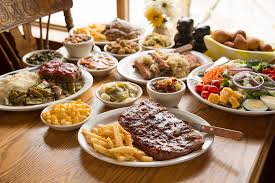
Finding the right dishes can feel a little tricky sometimes, especially when you’re looking at the old mill restaurant menu for the first time. It’s easy to get lost in all the options. But don’t worry, it’s simpler than it looks.
We’ll walk through it step by step. Get ready to discover your next favorite meal.
Key Takeaways
- You will learn how to easily find popular dishes.
- Discover tips for reading descriptions to pick the best meal.
- Understand how to spot daily specials and unique offerings.
- Learn how to make smart choices for different meals and times.
- Find out how to get the most value when ordering.
Navigating The Old Mill Restaurant Menu
Looking at any restaurant menu, like the old mill restaurant menu, can sometimes feel like a big task. You want to pick something delicious without feeling overwhelmed. This section helps you feel confident about what you’re seeing.
We’ll break down how menus are usually organized, so you can find what you’re looking for faster. It’s all about making your dining experience smooth and enjoyable from the start.
Understanding Menu Layout
Restaurant menus often follow a common structure. This helps diners quickly find categories like appetizers, main courses, desserts, and drinks. Many restaurants, including those with a menu like the old mill restaurant menu, group similar items together.
This makes it easier for you to browse.
- Appetizers: These are small dishes served before the main meal. They’re great for sharing or getting a taste of different flavors.
- Main Courses: These are the heart of the meal, usually larger portions of meat, fish, pasta, or vegetarian dishes.
- Sides: These are smaller dishes that complement the main course, like vegetables, potatoes, or salads.
- Desserts: Sweet treats to finish your meal.
- Beverages: Drinks such as water, soda, juice, coffee, and sometimes alcoholic options.
By knowing these categories, you can go straight to the section that interests you most. For example, if you’re feeling hungry for something substantial, you’ll head straight to the main courses. If you want to start with something light, appetizers are your first stop.
This simple organization is key to a stress-free menu experience.
Decoding Dish Descriptions
The words used to describe food on a menu can tell you a lot about the dish. Chefs often use descriptive language to make the food sound appealing. Learning to read these descriptions helps you choose wisely.
You can often tell if a dish will be spicy, rich, light, or have certain ingredients.
- Ingredients: Look for the main components. Words like ‘grilled,’ ‘roasted,’ ‘sautéed,’ or ‘braised’ tell you how the food is cooked.
- Flavor Profiles: Terms like ‘creamy,’ ‘tangy,’ ‘spicy,’ ‘savory,’ or ‘sweet’ give clues about the taste.
- Sauces and Toppings: These can add a lot of flavor. Descriptions might mention ‘rich garlic sauce,’ ‘fresh herb pesto,’ or ‘crispy fried onions.’
For instance, a description might say “Pan-Seared Salmon with Lemon-Dill Sauce and Roasted Asparagus.” You know you’re getting salmon cooked in a pan, with a sauce that tastes like lemon and dill, and a side of cooked asparagus. This level of detail helps you avoid surprises and pick exactly what you’re in the mood for. It’s like a mini-story for each dish.
Spotting Specials and Chef’s Recommendations
Many restaurants highlight special dishes. These are often seasonal or unique creations by the chef. They are usually found in a separate section or marked with a special symbol.
This is a great way to try something new and exciting.
- Daily Specials: These are dishes available for a limited time, often based on fresh ingredients the chef found that day.
- Chef’s Recommendations: The chef might pick a few favorite dishes to showcase. These are often popular or particularly well-crafted items.
- Seasonal Offerings: Menus can change with the seasons to feature fresh, in-demand ingredients.
Paying attention to these can lead to delightful discoveries. You might find a unique seafood dish in the summer or a hearty stew in the winter. These specials offer a chance to experience the restaurant’s creativity beyond the regular offerings.
It’s a good way to ensure you’re always getting the freshest and most interesting options available.
Exploring The Old Mill Restaurant Menu Favorites
Every restaurant has its star players, and the old mill restaurant menu is no exception. These are the dishes that people talk about, order again and again, and become known for. Knowing these favorites can guide your choice, especially if you’re visiting for the first time or want to try something proven to be delicious.
We’ll look at what makes these dishes so popular.
Signature Entrees Explained
Signature entrees are the dishes that truly define a restaurant. They often represent the chef’s passion and the restaurant’s unique style. These are usually the most talked-about items on the old mill restaurant menu.
They are crafted with special ingredients or a unique preparation method.
- The Classic Steak: Often a perfectly grilled steak, seasoned and cooked to your preference. It might be served with a special sauce or a choice of sides.
- Seafood Specialties: Fresh fish or shellfish prepared in ways that highlight their natural flavors. Think of flaky baked cod or savory shrimp scampi.
- Hearty Pasta Dishes: Comforting and flavorful pasta creations, from creamy Alfredo to robust marinara.
- Vegetarian Delights: Creative plant-based options that are as satisfying as meat dishes.
These signature items are often the result of careful recipe development. They use high-quality ingredients and are prepared with skill. When you see a “signature” dish, it’s a good bet it’s something the restaurant is very proud of.
It’s an excellent way to get a true taste of what the old mill restaurant menu offers at its best.
Popular Appetizers and Starters
The start of your meal sets the tone. Popular appetizers are designed to whet your appetite and create anticipation for the main course. On the old mill restaurant menu, these might include classic comfort foods or unique flavor combinations.
- Crispy Calamari: Lightly fried rings and tentacles served with a tangy dipping sauce.
- Spinach Artichoke Dip: A warm, creamy blend of spinach, artichoke hearts, and cheese, often served with toasted bread.
- Bruschetta: Toasted bread topped with fresh tomatoes, garlic, basil, and a drizzle of olive oil.
- Wings: A crowd-pleaser, often available in various sauces like buffalo, honey BBQ, or garlic parmesan.
These starters are often shared among the table, fostering a social dining experience. Their popularity stems from their ability to be both satisfying and not too heavy. They prepare your palate for the main event without filling you up completely.
Trying a popular appetizer can also give you a hint of the restaurant’s general cooking style.
Must-Try Desserts
No meal is complete without a sweet ending, and dessert menus are where the magic happens. The old mill restaurant menu likely features some delightful sweet treats. These are often decadent and a perfect way to conclude your dining experience.
- Cheesecake: A rich, creamy classic that comes in many flavors, from plain New York style to fruit-topped creations.
- Chocolate Lava Cake: A warm chocolate cake with a molten chocolate center, often served with ice cream.
- Apple Pie: A comforting, traditional dessert, perhaps served warm with a scoop of vanilla ice cream or whipped cream.
- Seasonal Fruit Crisp: A warm baked fruit dish, usually topped with a crunchy oat or flour mixture.
Desserts are often a highlight for many diners. They provide a moment of indulgence. Choosing a well-loved dessert from the old mill restaurant menu ensures a satisfying conclusion to your meal.
It’s a sweet finale that leaves a lasting positive impression.
Making Smart Choices With The Old Mill Restaurant Menu
Choosing what to eat can be fun, but sometimes you want to make sure you’re picking wisely. This could mean finding the best value, something healthy, or just the perfect dish for the occasion. We’ll look at how to get the most out of the old mill restaurant menu for any situation.
Understanding Pricing and Value
When you look at the old mill restaurant menu, you’ll see prices for each item. Understanding value means looking at what you get for what you pay. Sometimes a slightly more expensive dish might offer more food or higher quality ingredients, making it a better deal.
- Portion Sizes: Check if the portions are generous. A larger portion for a slightly higher price can offer more for your money.
- Ingredient Quality: Dishes made with premium ingredients like fresh seafood or prime cuts of meat often justify a higher price.
- Deals and Combos: Look for meal deals or combo offers that might bundle several items for less than ordering them separately.
- Happy Hour or Early Bird Specials: These can offer discounted prices on food and drinks during specific times.
For example, a steak might cost more than a pasta dish, but if it’s a larger cut of high-quality beef, it could be a better value if you’re looking for a hearty meal. Conversely, if you’re not extremely hungry, a more affordably priced pasta might be the better choice for value.
Healthier Options on The Menu
Many people look for healthier choices when dining out. The old mill restaurant menu likely has options that fit a healthier lifestyle. Reading descriptions carefully can help you identify these dishes.
- Grilled or Baked Proteins: Dishes that specify ‘grilled,’ ‘baked,’ ‘steamed,’ or ‘broiled’ are often lower in fat than fried options.
- Vegetable-Heavy Dishes: Salads, vegetable stir-fries, or sides of steamed or roasted vegetables are good choices.
- Lighter Sauces: Opt for dishes with vinaigrettes, lemon-based sauces, or tomato-based sauces over heavy cream or cheese sauces.
- Whole Grains: If available, choose options with whole wheat pasta or brown rice.
A grilled chicken breast with a side of steamed broccoli and a light vinaigrette would be a good example of a healthier choice. You can also often ask your server to make substitutions, like swapping fries for a side salad or requesting sauces on the side. This allows you to customize your meal to be as healthy as you like.
Choosing For Different Occasions
The old mill restaurant menu can serve many purposes, from a casual lunch to a special celebration. Thinking about the occasion can help you pick the right food.
- Casual Lunch: Sandwiches, salads, or lighter main courses are often perfect for a midday meal.
- Family Dinner: Comfort food classics, shareable appetizers, and crowd-pleasing entrees usually work well.
- Romantic Dinner: Perhaps a more elegant entree like a steak or seafood, paired with a nice wine.
- Celebrations: Consider dishes that feel special, like a signature entree or a decadent dessert.
For example, if you’re having a quick lunch, a sandwich or a hearty soup might be ideal. If it’s a birthday, you might lean towards a more elaborate dish from the old mill restaurant menu, like their signature prime rib or a beautifully presented seafood platter. The menu offers variety to suit almost any dining need.
Common Myths Debunked
Myth 1: Restaurant menus are intentionally confusing.
Many people feel that restaurant menus are designed to be hard to read. This is usually not the case. While some menus use fancy words, the goal is typically to describe the food appealingly.
The Old Mill Restaurant menu, like most, aims to guide you to a delicious choice. Organization into sections and clear descriptions are common practices to make ordering easy.
Myth 2: Cheaper items are always lower quality.
It’s a common thought that less expensive dishes must use cheaper ingredients. While sometimes true, this isn’t always the case. A pasta dish can be just as high-quality in terms of ingredients and preparation as a pricier steak.
Value often comes down to portion size, complexity, and ingredient cost, not just a low price tag. The old mill restaurant menu offers a range, and smart choices can be made at various price points.
Myth 3: You can’t find healthy options on a traditional menu.
Some believe that traditional restaurant menus only offer heavy, unhealthy food. This myth is easily debunked by looking closely at how dishes are prepared and their ingredients. Many restaurants, including those with a broad menu like the old mill restaurant menu, offer grilled, baked, or steamed items, plenty of vegetables, and lighter sauces.
Plus, many are happy to make simple modifications to suit dietary needs.
Frequently Asked Questions
Question: How do I find out about daily specials at The Old Mill Restaurant?
Answer: Daily specials are often listed on a separate board near the entrance or mentioned by your server when you are seated. It’s always a good idea to ask your server about any specials available for the day.
Question: Can I request substitutions for menu items?
Answer: Yes, most restaurants are happy to accommodate reasonable substitution requests. For example, you might ask to swap a side of fries for a salad or request sauce on the side.
Question: Are there vegetarian options on the old mill restaurant menu?
Answer: Typically, restaurants offer at least a few vegetarian dishes. Look for pasta, vegetable-based entrees, or hearty salads. If unsure, ask your server for recommendations.
Question: How can I tell if a dish will be spicy?
Answer: Menu descriptions often use words like ‘spicy,’ ‘hot,’ ‘chili,’ or mention specific peppers like ‘jalapeño’ or ‘habanero’ to indicate heat. If a description is vague, don’t hesitate to ask your server.
Question: Is it polite to ask for recommendations from the server?
Answer: Absolutely! Servers are knowledgeable about the menu and can offer great advice based on their experience and what’s popular. It’s a common and helpful practice.
Summary
Exploring the old mill restaurant menu is straightforward once you know how. Focus on section labels, read descriptions carefully, and look for specials. You can find great value and healthy choices by understanding portion sizes and preparation methods.
Making smart decisions ensures a delicious and satisfying dining experience every time you visit.