Are you looking for the nahdi mandi restaurant menu but finding it a bit tricky to get all the details you need? Don’t worry! Sometimes, finding specific restaurant information can feel like a puzzle.
This guide is here to help you out. We’ll break down everything you need to know about the Nahdi Mandi menu in a super simple way. Get ready for clear steps and easy-to-digest tips.
We’ll show you exactly what to expect and how to make the most of your dining experience.
Key Takeaways
- You will learn how to find the official Nahdi Mandi restaurant menu online.
- Discover the most popular dishes you can order from the menu.
- Understand the typical pricing and value offered by Nahdi Mandi.
- Learn about common customizations and how to order them.
- Get tips on the best ways to enjoy your Mandi meal.
- Find out about special offers and how to stay updated.
Discovering the Nahdi Mandi Restaurant Menu
Finding the right information about a restaurant’s menu can sometimes be a challenge, especially when you’re eager to try new dishes. The nahdi mandi restaurant menu is a treasure trove of delicious Middle Eastern flavors, and knowing what’s on offer is the first step to a satisfying meal. This section guides you through the best ways to locate the official menu, ensuring you have access to the most accurate and up-to-date selection of dishes.
We’ll cover online resources, potential apps, and even how to get in touch with the restaurant directly. Having the menu readily available helps you plan your meal, budget accordingly, and make informed choices about what to try first.
Where to Find the Official Menu
The most reliable way to find the official nahdi mandi restaurant menu is by visiting their official website. Most restaurants today maintain a web presence where they showcase their complete offerings. Look for a section clearly labeled “Menu,” “Our Food,” or “Dishes.” This page will typically feature categories like starters, main courses, desserts, and beverages.
Clicking on these categories will reveal the specific items available within each, often accompanied by brief descriptions and prices. These descriptions are great for understanding what makes each dish special.
If a dedicated website isn’t readily apparent, the next best place to check is their official social media pages. Many restaurants, especially those with a strong community following, post their menus or highlight special dishes on platforms like Facebook or Instagram. Search for “Nahdi Mandi” on your preferred social media.
You might find a pinned post with the menu or regular updates about new additions. This approach can also give you a visual sense of the food, as restaurants often post appealing pictures of their most popular items.
Third-party food delivery and review apps are also useful resources. Platforms such as Zomato, Talabat, or Uber Eats often partner with restaurants to display their menus and facilitate online ordering. Simply search for “Nahdi Mandi” on these apps.
The menu displayed here is usually kept current by the restaurant itself or the platform’s team. While these apps are convenient for ordering, always cross-reference with the official website if possible to ensure you have the absolute latest version of the menu.
Sometimes, a phone call is the simplest method. If you’re having trouble finding the menu online, don’t hesitate to call the restaurant directly. They can often provide menu information over the phone or tell you the best way to access it.
This direct line of communication is also helpful for asking specific questions about ingredients or preparation methods before you visit or order.
Consider the following tips for the best menu-finding experience:
- Always look for the most recent update date on online menus.
- Check for different sections like “Signature Dishes” or “Chef’s Specials.”
- Note down any dish names that sound interesting to research them further.
- Have a pen and paper ready or use your phone’s notes app to jot down choices.
These steps will help you become familiar with the breadth of options available on the nahdi mandi restaurant menu.
Understanding Mandi Dishes
Mandi is a traditional dish that holds a special place in Middle Eastern cuisine, particularly in Yemen. Its name is derived from the Arabic word “nada,” meaning “dew,” which hints at the succulent and moist nature of the meat. The preparation is both an art and a science, focused on slow-cooking to achieve unparalleled tenderness and flavor.
At its core, Mandi involves tender pieces of lamb or chicken, typically cooked in a tandoor or a special pit oven called a “tannour.” This cooking method involves burying the seasoned meat in a bed of hot coals, allowing it to cook slowly in its own juices, infused with smoke and aromatic spices.
The rice served with Mandi is just as important as the meat. It’s usually a long-grain basmati rice, cooked with a blend of fragrant spices like cumin, coriander, cardamom, and cloves. Often, the rice is cooked in the same pot or tray as the meat, absorbing the rich drippings and smoky essence.
This infusion creates a deeply flavorful and aromatic rice that perfectly complements the tender meat. The distinct smoky flavor is achieved through the unique cooking process where the meat is suspended above the coals, allowing the smoke to circulate around it.
The nahdi mandi restaurant menu will likely feature a variety of Mandi preparations. The most common include Chicken Mandi and Lamb Mandi. Chicken Mandi is often a whole chicken or half chicken, cooked to perfection, offering a lighter yet equally flavorful experience.
Lamb Mandi can range from shoulder cuts to leg portions, providing a richer, more robust taste. Some establishments might also offer variations like Seafood Mandi or even Mandi made with other types of meat. Each type offers a unique culinary journey, showcasing the versatility of this classic dish.
Key aspects of Mandi preparation that contribute to its unique taste include:
- Slow Cooking: The extended cooking time, often several hours, is crucial for tenderizing the meat and allowing flavors to meld. This process breaks down tough connective tissues, resulting in melt-in-your-mouth textures.
- Smoky Flavor: The traditional method of cooking over coals imparts a distinct smoky aroma and taste that is characteristic of authentic Mandi. This smoky note is subtle yet pervasive, enhancing the overall dining experience.
- Spice Blends: A carefully balanced mixture of aromatic spices is used to season both the meat and the rice, adding layers of warmth and complexity without overpowering the natural flavors of the ingredients.
Common spices include cumin, coriander, black pepper, and cardamom.
- Juicy Texture: The unique cooking method ensures that the meat remains incredibly moist and juicy, as it cooks in its own rendered fats and juices. This prevents the meat from drying out, even during long cooking periods.
When you explore the nahdi mandi restaurant menu, understanding these elements will help you appreciate the culinary tradition behind each dish.
Popular Dishes on the Nahdi Mandi Restaurant Menu
When you’re looking at the nahdi mandi restaurant menu, certain dishes are perennial favorites for a reason. They represent the heart of Mandi cuisine and offer a delightful experience for both newcomers and seasoned fans. These popular choices are often highlighted on the menu, and for good cause.
They showcase the authentic flavors and traditional preparation methods that make Mandi so beloved. Exploring these signature items is a great way to start your culinary adventure.
Chicken Mandi
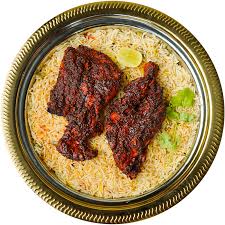
Chicken Mandi is arguably the most accessible and widely loved Mandi preparation. It typically features a tender, slow-cooked chicken, often a whole or half chicken, seasoned with a fragrant blend of spices. The chicken is usually roasted or cooked in a tandoor until the skin is slightly crispy and the meat is fall-off-the-bone tender.
It’s served atop a generous portion of fluffy, spiced basmati rice that has absorbed the chicken’s savory juices and smoky essence. The flavor profile is aromatic, with notes of cumin, coriander, and sometimes a hint of saffron or turmeric for color and subtle taste.
This dish is a fantastic entry point for anyone new to Mandi. The chicken is mild enough not to be intimidating, yet deeply flavorful. The rice is comforting and satisfying, making it a complete meal in one plate.
Many restaurants offer options for how the chicken is prepared, such as half chicken or a quarter chicken, allowing for flexibility. The standard accompaniments often include a side of refreshing tomato-based chutney or a spicy salsa, which adds a welcome contrast to the richness of the dish.
Here’s why Chicken Mandi is a top choice:
- Flavor Balance: The spices are well-balanced, enhancing rather than overpowering the chicken’s natural taste.
- Tender Texture: Slow cooking ensures the chicken is incredibly moist and easy to eat.
- Satisfying Portion: It’s a hearty meal that leaves you feeling content.
- Visual Appeal: The golden-brown chicken and aromatic rice are very inviting.
This dish exemplifies the comforting and flavorful nature of Mandi cooking.
Lamb Mandi
Lamb Mandi offers a more robust and traditional experience. It features tender chunks or a generous portion of slow-cooked lamb, which has been marinated in a rich blend of spices. The lamb is cooked until it’s exceptionally tender, often practically melting in your mouth.
This dish is served with the signature Mandi rice, infused with the savory lamb drippings and aromatic spices. The flavor of the lamb is deep and satisfying, complemented by the fragrant spices in the rice, such as cardamom, cloves, and cinnamon, which add warmth and complexity.
Lamb Mandi is a dish for those who appreciate the rich, distinct taste of lamb. The slow cooking process is crucial here, as it breaks down the tougher cuts of lamb, making them incredibly tender and flavorful. The smoky essence from the cooking method also plays a significant role in the overall taste, giving it an authentic, traditional character.
It’s often served with similar accompaniments to Chicken Mandi, like a spicy tomato salsa or a cooling yogurt-based dip, which cut through the richness of the lamb.
Considerations for Lamb Mandi:
- Rich Flavor: The distinct taste of lamb is a highlight for many diners.
- Extreme Tenderness: Properly cooked lamb Mandi should be exceptionally soft.
- Hearty Meal: This is a filling option, perfect for those with a hearty appetite.
- Authentic Experience: Lamb is a traditional protein for Mandi, offering a genuine taste.
When ordering Lamb Mandi from the nahdi mandi restaurant menu, you are opting for a truly classic and deeply satisfying meal.
Mixed Grill Platter
While Mandi is the star, many Middle Eastern restaurants, including those offering Mandi, feature mixed grill platters that are incredibly popular. A mixed grill platter on the nahdi mandi restaurant menu would typically include a selection of grilled meats such as lamb kebabs, chicken shish tawook (marinated chicken skewers), kofta (minced meat skewers), and perhaps even some grilled shrimp or fish. These items are usually marinated in a variety of aromatic spices and herbs, then grilled to perfection, offering a char-grilled smoky flavor and juicy, tender textures.
This platter is ideal for groups or for individuals who wish to sample a variety of grilled delights in one sitting. Each component of the platter brings its own unique flavor and texture to the table. The variety ensures that there’s something for everyone, making it a great option for sharing.
Mixed grills are often served with a selection of sides, which might include rice, hummus, tabbouleh, grilled vegetables, and various dips or sauces. This comprehensive offering makes for a complete and enjoyable dining experience.
Advantages of ordering a Mixed Grill Platter:
- Variety: Enjoy multiple types of grilled meats and flavors in one order.
- Sharing: It’s a perfect dish for dining with friends or family.
- Flavor Exploration: Each skewer offers a different taste and texture profile.
- Complementary Sides: Typically comes with a range of delicious accompaniments.
This option diversifies your choices beyond just Mandi, while still being part of the restaurant’s broader culinary offerings.
Pricing and Value on the Nahdi Mandi Restaurant Menu
When you look at the nahdi mandi restaurant menu, considering the price and the value you receive is important. Restaurants like Nahdi Mandi often aim to provide generous portions and high-quality ingredients, which can influence their pricing. Understanding the general cost of dishes and what you get for your money will help you make satisfying choices without overspending.
We’ll explore typical price ranges and what makes their offerings a good value.
Typical Price Ranges
The pricing on the nahdi mandi restaurant menu can vary based on several factors, including the type of meat, the portion size, and the specific restaurant’s location and overhead costs. Generally, a Chicken Mandi dish, which is usually more economical due to the cost of chicken, might range from $10 to $18 USD. Lamb Mandi, using a more expensive cut of meat and often requiring longer cooking times, could be priced between $15 to $25 USD or even higher for larger portions or premium cuts.
Other popular items like mixed grill platters can be more expensive, as they include multiple types of meat. These platters might range from $25 to $40 USD, depending on the number of items and the size of the platter, often designed for sharing. Appetizers, such as hummus, baba ghanoush, or falafel, typically range from $5 to $10 USD.
Beverages, like water, sodas, or traditional Arabic drinks, will usually be priced between $2 to $5 USD. Desserts, if offered, might fall into the $5 to $8 USD range.
It’s important to note that these are general estimates, and actual prices can differ. Factors like market prices for ingredients, regional economic conditions, and the restaurant’s overall positioning (e.g., casual dining versus upscale) play a role. Always refer to the most current menu available from the restaurant for exact pricing information.
Understanding Value for Money
Value for money isn’t just about low prices; it’s about what you get in return for what you pay. Nahdi Mandi restaurants often excel in providing substantial portion sizes, especially for their main dishes like Mandi. A single order of Chicken or Lamb Mandi is frequently enough to satisfy a large appetite, and sometimes can even be shared between two people with lighter appetites, especially if accompanied by an appetizer.
This generosity in portion size is a significant aspect of the value proposition.
Beyond just the quantity of food, the quality of ingredients and the authenticity of preparation also contribute to the value. Using fresh, high-quality lamb or chicken, along with aromatic, well-sourced spices, elevates the dining experience. The traditional cooking methods, which require time and skill, add to the perceived value.
When a dish tastes authentic and is cooked with care, the price paid feels justified by the exceptional culinary experience delivered.
Additionally, the overall dining experience matters. Restaurants that offer good service, a pleasant ambiance, and a welcoming atmosphere add to the overall value. A meal is more than just the food on the plate; it’s the entire occasion.
Therefore, while the prices might seem moderate, the combination of generous portions, quality ingredients, authentic preparation, and a positive dining environment often makes the nahdi mandi restaurant menu a great source of value for money.
To maximize your value, consider these points:
- Share Larger Dishes: If you’re dining with others, ordering larger platters or main dishes and sharing can be more cost-effective and allows everyone to try different items.
- Look for Combos or Specials: Some restaurants offer set meals or daily specials that combine popular items at a reduced price. Check if the nahdi mandi restaurant menu has any such deals.
- Appetizers as Light Meals: For a lighter and more budget-friendly option, you could combine a few appetizers, such as hummus, tabbouleh, and falafel, which can sometimes make a satisfying meal.
- Evaluate Portion Sizes: If you’re unsure about portion sizes, ask your server. They can often provide insights into how much food to expect, helping you avoid over-ordering.
By keeping these tips in mind, you can ensure you get the most out of your dining experience and feel you’ve received excellent value.
Customizing Your Order from the Nahdi Mandi Restaurant Menu
One of the joys of dining out is being able to tailor your meal to your specific tastes and preferences. The nahdi mandi restaurant menu, while offering traditional dishes, often provides opportunities for customization. Whether you have dietary restrictions, specific spice level preferences, or just want to add an extra element to your dish, knowing how to ask can significantly enhance your dining experience.
This section covers common ways you can customize your Mandi and other dishes.
Dietary Considerations
For diners with dietary needs, understanding how to adapt Mandi dishes is essential.
- Vegetarian/Vegan Options: While traditional Mandi is meat-focused, many restaurants offer vegetarian or vegan versions. This might involve replacing the meat with grilled vegetables, paneer, tofu, or a lentil-based dish, all cooked with the signature Mandi spices and served with the rice.
Be sure to specify that you want a vegetarian or vegan preparation when ordering.
- Gluten-Free: Mandi rice itself is typically gluten-free, as are most meat and vegetable preparations seasoned with spices. However, it’s always wise to confirm. Some sauces or marinades might contain gluten-based thickeners or soy sauce, so it’s best to inquire about specific ingredients if you have celiac disease or severe gluten sensitivity.
- Allergies: If you have a nut allergy, seafood allergy, or any other common food allergen, communicate this clearly to your server.
Restaurants are usually accustomed to handling allergy requests and can advise you on which dishes are safe or can be modified. For example, if a dish typically contains nuts as a garnish, they can omit them.
Always inform your server about any allergies or dietary restrictions when placing your order. A good restaurant will be happy to guide you through the menu and suggest safe and delicious alternatives.
Spice Levels and Flavor Preferences
Mandi cuisine often uses a balanced blend of spices. However, individual preferences for heat can vary significantly. While traditional Mandi is not typically very spicy, restaurants may offer ways to adjust the heat level.
- Requesting Extra Spice: If you enjoy a spicier kick, you can often request extra chili or a spicier salsa on the side. Some restaurants might be able to add fresh chilies or chili flakes to your dish upon request, though this is less common for the rice and meat preparation itself.
- Mild Options: If you prefer a milder flavor, simply order the dish as is. The standard spice blend is usually aromatic and flavorful without being overwhelmingly hot.
You can always add spice with a side condiment if you find it too bland for your liking.
- Herb and Garlic Additions: While not always a standard option, some restaurants might be able to add extra garlic or specific herbs to your marinade or dish if you have a particular flavor preference. This is more likely to be an option for grilled items than for the traditional Mandi rice.
Communicating your spice preference can help ensure your meal is perfectly suited to your palate. Don’t hesitate to ask your server if certain adjustments are possible.
Portion Size and Sharing Options
Portion sizes are a key aspect of Middle Eastern cuisine, and Mandi is no exception. The nahdi mandi restaurant menu usually lists options for individual servings and larger portions meant for sharing.
- Individual vs.
Sharing:
Main dishes like Chicken Mandi or Lamb Mandi are often available in single portions, suitable for one person. For larger groups, restaurants typically offer family platters or larger servings of rice and meat that can easily feed 3-4 people. - Half Chicken vs. Whole Chicken: For chicken dishes, you’ll frequently see options for half chicken or a whole chicken, allowing you to choose based on your appetite or the number of people dining.
- Customizing Sides: While the main dish comes with rice, you might be able to order extra sides like additional hummus, mutabbal, salads, or extra bread to complement your meal, especially if you’re sharing and want a wider variety of flavors on the table.
Understanding these options helps you order precisely what you need, whether you’re dining alone or hosting a feast.
The flexibility in portioning makes the Mandi experience adaptable to any dining situation.
Tips for Enjoying Your Nahdi Mandi Meal
Once you’ve navigated the nahdi mandi restaurant menu and chosen your dishes, there are a few tips that can help you get the most out of your dining experience. Mandi is more than just a meal; it’s a cultural experience, and knowing a few traditional ways to enjoy it can deepen your appreciation. These tips cover everything from how to eat the dish to what accompaniments work best.
Traditional Eating Etiquette
In many traditional Middle Eastern settings, Mandi is meant to be eaten with the hands, typically using the right hand. While this might seem unconventional for some, it’s believed to enhance the connection with the food and allows you to feel the textures and temperatures more directly.
- Wash Your Hands: Before you begin, ensure your hands are thoroughly washed.
Most restaurants will provide a washbasin and soap, or offer hand wipes.
- Use Your Right Hand: Traditionally, the right hand is used for eating. Break off small pieces of the tender meat and moisten them with the juices from the rice.
- Scoop with Rice: Use your thumb and fingers to scoop up a piece of meat along with some rice. The rice is usually fluffy and easily forms a base for the meat.
- Mix and Match: Feel free to mix the different components on your plate to create a perfect bite, combining the savory meat, aromatic rice, and any accompanying sauces or salads.
If you are not comfortable eating with your hands, cutlery is always provided, and using it is perfectly acceptable.
The most important thing is to enjoy your meal.
Best Accompaniments
Mandi is a rich and flavorful dish on its own, but certain accompaniments can elevate the experience by adding contrasting flavors and textures.
- Salsa or Chutney: A spicy tomato-based salsa or chutney is a common pairing. Its tanginess and heat cut through the richness of the meat and rice, providing a refreshing counterpoint.
- Yogurt Dip: A side of plain or mint-infused yogurt offers a cool, creamy contrast.
It helps to balance the flavors and adds a soothing element to the meal.
- Fresh Salads: A crisp green salad or a fattoush salad can provide a fresh, crunchy element, adding lightness to the hearty Mandi.
- Dips: Staples like hummus or baba ghanoush can be ordered as appetizers or sides, adding creamy, garlicky, or smoky dimensions to your meal.
Don’t hesitate to ask your server for recommendations on what sides best complement your chosen Mandi dish.
Maximizing Flavor and Enjoyment
To truly savor your Mandi experience, consider these additional tips:
- Savor the Aroma: Before you even take a bite, take a moment to inhale the fragrant aroma of the spices and the smoky meat. This sensory experience is part of the enjoyment.
- Taste Each Component: Try the rice and meat separately first to appreciate their individual flavors before combining them.
- Explore the Garnish: Many Mandi dishes are garnished with fried onions, toasted nuts, or herbs. These add texture and subtle flavor nuances, so make sure to get some in each bite.
- Stay Hydrated: The rich flavors and sometimes spicy nature of the accompaniments can be balanced with refreshing beverages.
Traditional options like laban (yogurt drink) or fresh juices are excellent choices.
By paying attention to these details, you can transform a delicious meal into a truly memorable culinary event.
Common Myths Debunked
Myth 1: Mandi is Always Spicy
Many people assume that Middle Eastern cuisine is inherently spicy. While some dishes can be, traditional Mandi is not typically known for its heat. The flavor profile is built on aromatic spices like cumin, coriander, cardamom, and cinnamon, creating warmth and depth rather than fiery heat.
If you’re sensitive to spice, you can order Mandi with confidence. If you do like it hot, you can usually request chili or a spicy salsa on the side to customize the heat level to your liking.
Myth 2: Mandi is Only Chicken and Lamb
While Chicken and Lamb Mandi are the most common and traditional preparations, the concept of Mandi can be adapted. Restaurants may offer variations using other types of meat like beef or goat. More modern interpretations can even include seafood like fish or shrimp Mandi.
Some establishments are also known for creative vegetarian versions, using ingredients like vegetables, paneer, or lentils to create a flavorful Mandi-style rice dish. The core idea is the slow-cooking method and the aromatic spiced rice.
Myth 3: You Must Eat Mandi With Your Hands
While eating Mandi with your hands is a traditional practice in many cultures and can enhance the tactile experience of the meal, it is by no means a requirement. Restaurants always provide cutlery, and using a fork and knife is perfectly acceptable. The most important aspect is to enjoy the meal in a way that is comfortable for you.
The tradition of hand-eating stems from a desire for a more intimate connection with the food.
Myth 4: Mandi is a Fast Food Dish
The preparation of authentic Mandi is a slow and deliberate process. The meat is cooked for extended periods to achieve its characteristic tenderness and flavor. This means it is not a dish that can be prepared quickly.
While you might be able to order it from a restaurant that serves it efficiently, the cooking itself is time-consuming. Therefore, Mandi is generally considered a traditional slow-cooked meal rather than a fast food item.
Frequently Asked Questions
Question: What is the most traditional type of Mandi?
Answer: The most traditional types of Mandi are Chicken Mandi and Lamb Mandi, originating from Yemen. They are cooked using a specific slow-cooking method over coals.
Question: Can I get the nahdi mandi restaurant menu without visiting the restaurant?
Answer: Yes, you can usually find the nahdi mandi restaurant menu online on their official website, social media pages, or on third-party food delivery apps.
Question: Are there vegetarian options on the nahdi mandi restaurant menu?
Answer: Many restaurants that serve Mandi also offer vegetarian versions, often featuring spiced rice with grilled vegetables, paneer, or lentil-based dishes prepared in a similar style.
Question: How large are the portion sizes for Mandi?
Answer: Mandi portions are typically quite generous. A single serving is often substantial enough for one person, and larger platters are available for sharing among groups.
Question: Is it okay to ask for modifications to my Mandi order?
Answer: Yes, it is generally acceptable to ask for modifications, such as requesting less spice, omitting certain ingredients due to allergies, or asking for extra accompaniments.
Conclusion
Exploring the nahdi mandi restaurant menu opens up a world of authentic and delicious Middle Eastern flavors. From the tender, smoky Mandi dishes to flavorful grilled items and fresh sides, there’s something for everyone. Understanding the menu, popular choices, and how to customize your order ensures a delightful dining experience.
Enjoy discovering the rich tastes and generous portions that make Mandi a cherished culinary tradition.